
What Works Today Can Quietly Break Tomorrow
Most businesses don’t fail suddenly. They outgrow the systems that once worked just fine.
Early on, flexibility wins. A spreadsheet here. A shared inbox there. Everyone knows what’s going on because everyone is involved in everything. It feels efficient—until it doesn’t.
As customers increase and teams grow, those same tools start to strain. Information gets scattered. Processes depend on memory. Simple questions require too much effort to answer. Growth continues, but it feels heavier than it should.
The real problem isn’t ambition or execution.
It’s that the systems weren’t built to grow.
This is why businesses eventually turn to Odoo—not to add complexity, but to build systems that evolve alongside the business instead of holding it back.
Why Static Systems Create Growing Pains
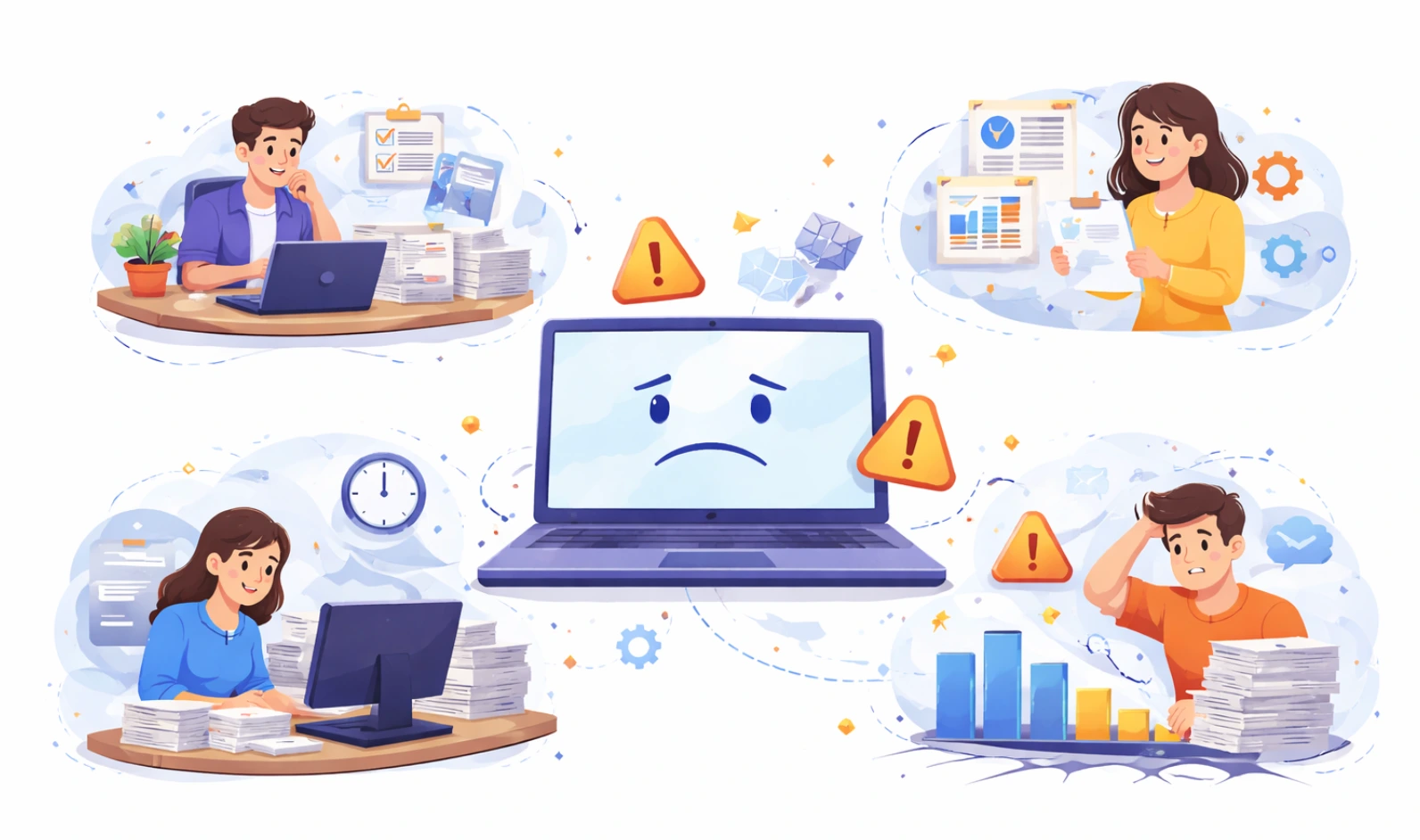
Many tools are designed for a specific stage of business—and nowhere beyond it.
Static systems lead to:
Duplicate data entry
Disconnected departments
Founder or manager bottlenecks
Delayed or unreliable reporting
Each new hire, customer, or product adds friction instead of momentum. Growth exposes weaknesses that were always there.
Scalable businesses need scalable systems.
What “Systems That Grow With You” Actually Means
Growing systems don’t mean “bigger” systems.
They mean adaptable ones.
Systems that grow with you:
Start simple without limiting the future
Add structure only where it’s needed
Maintain clarity as complexity increases
Reduce rework instead of adding steps
The goal isn’t bureaucracy—it’s confidence.
Modular ERP for Scalable Operations
One of the biggest mistakes growing businesses make is over-implementing too early.
A modular ERP approach allows you to:
Begin with core functionality
Expand capabilities as the business evolves
Avoid paying for or managing unused features
This creates a foundation that supports growth instead of forcing painful system replacements later.
One Source of Truth as Teams and Data Expand
As businesses grow, alignment becomes harder.
Sales sees one picture. Operations sees another. Accounting sees the aftermath.
Integrated systems solve this by creating a single source of truth across:
Customer and sales data
Operations and fulfillment
Inventory, purchasing, and financials
When everyone works from the same data, decisions improve—and tension decreases.
Automation That Scales Capacity, Not Complexity
Growing businesses don’t need more manual processes. They need leverage.
Automation helps by:
Eliminating duplicate work
Triggering actions based on real activity
Reducing reliance on memory and follow-ups
Instead of adding workload, systems quietly handle the repeatable tasks in the background.
Reducing Dependency on Key People
One hidden risk of growth is over-reliance on specific individuals.

Systems that grow with you:
Capture institutional knowledge
Make work status visible
Allow teams to operate independently
The business becomes resilient, not fragile.
Ready to Build Systems That Support Your Growth?
You shouldn’t have to replace everything just because your business is growing. With the right foundation, your systems can evolve right alongside you.
If your tools are starting to strain under growth—or you want to avoid that pain altogether—the next step is understanding what scalable systems could look like for your business.