
“We’ll Fix the Systems Later”… Until Later Never Comes
Most small businesses don’t fail because they lack passion, skill, or effort.
They fail because the systems holding everything together were never built to scale.
At the beginning, running the business out of spreadsheets, email, and a few disconnected tools feels flexible—even smart. But as customers increase and the workload grows, those same tools start slowing everything down. Simple tasks take longer. Questions pile up. Owners become the bottleneck.
The business isn’t broken. The systems are.
This is why Odoo matters for small businesses—not as an enterprise luxury, but as a practical foundation for sustainable growth.
The Myth That Good Systems Are “Only for Big Companies”
For years, small business owners have been told the same thing:
“You’re too small for ERP.”
“That’s for later.”
“Just make do for now.”
But small teams feel inefficiency more than large ones. When one person spends hours fixing data or chasing information, that loss is immediate and painful.
Without good systems:
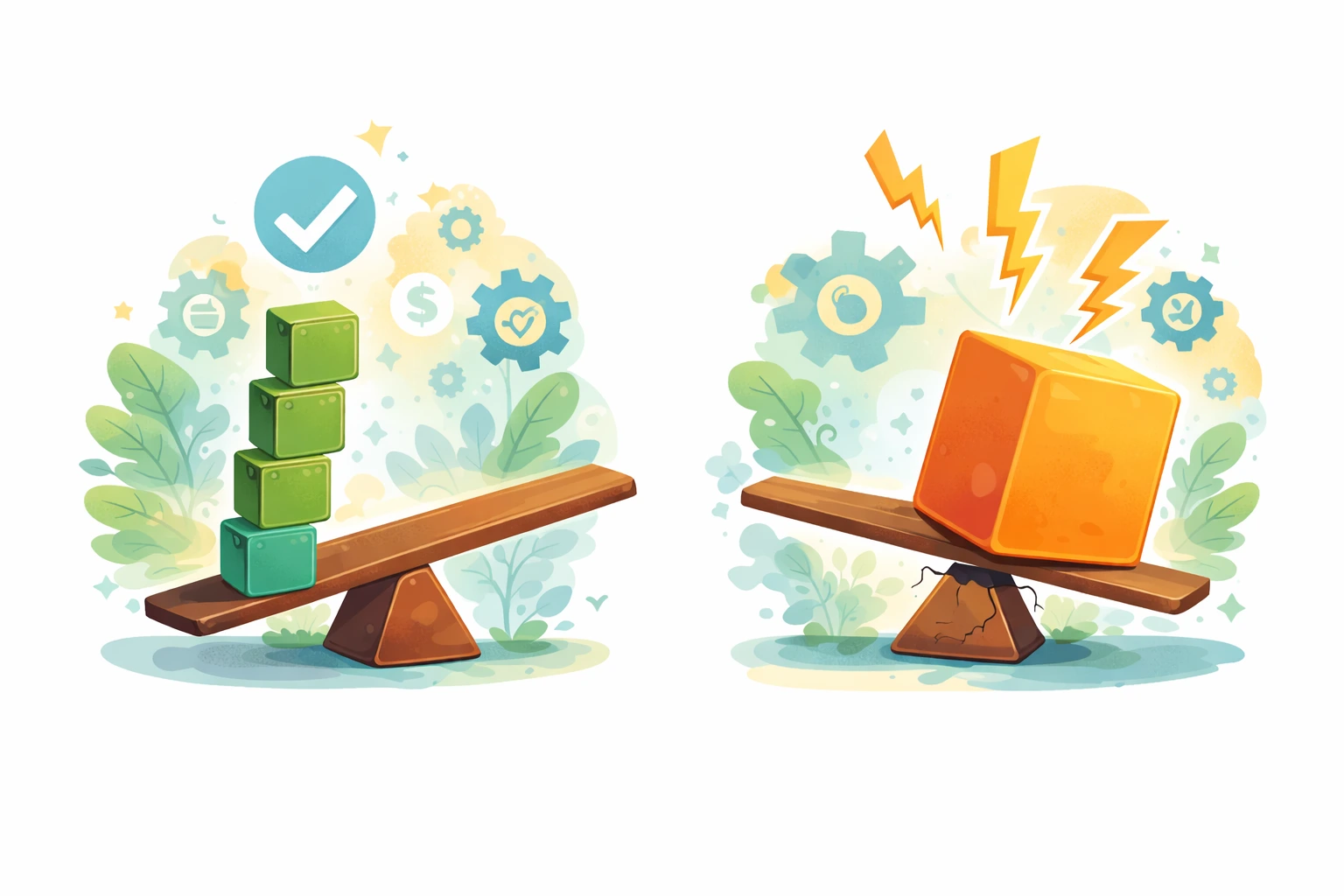
Information lives in too many places
Work depends on tribal knowledge
Leaders can’t step away without things stalling
Growth creates stress instead of momentum
Good systems aren’t about size—they’re about stability.
What Good Business Systems Actually Do
Good systems don’t add bureaucracy. They remove friction.
When the right systems are in place, small businesses gain:
A single source of truth for data
Less duplicate work and manual entry
Clear visibility into operations and finances
Confidence to delegate without losing control
Instead of reacting all day, owners can finally lead.
ERP Designed for Small Teams, Not Enterprises
Traditional ERP earned its intimidating reputation honestly—it was built for massive organizations with complex hierarchies.
Odoo breaks that pattern by offering:
Modular functionality so you start small
Flexible workflows that match how small teams actually work
One integrated platform instead of scattered tools
The ability to grow without rebuilding everything later
Small businesses don’t need watered-down software. They need systems that respect their reality.
Visibility Creates Confidence for Owners and Teams
When systems are disconnected, decisions are made on gut instinct. When systems are connected, decisions are made with clarity.
With an integrated system, small businesses can:
See what’s happening without chasing updates
Understand cash flow in real time
Spot issues before they become emergencies
Reduce dependence on any one person
Good systems don’t remove control—they create trust.
Building Systems That Grow With Your Business
The best time to invest in systems isn’t when everything is on fire. It’s when growth is starting to stretch what you have.
Strong systems allow small businesses to:
Standardize what works
Adapt processes as the business evolves
Avoid painful system replacements later
Grow intentionally instead of reactively
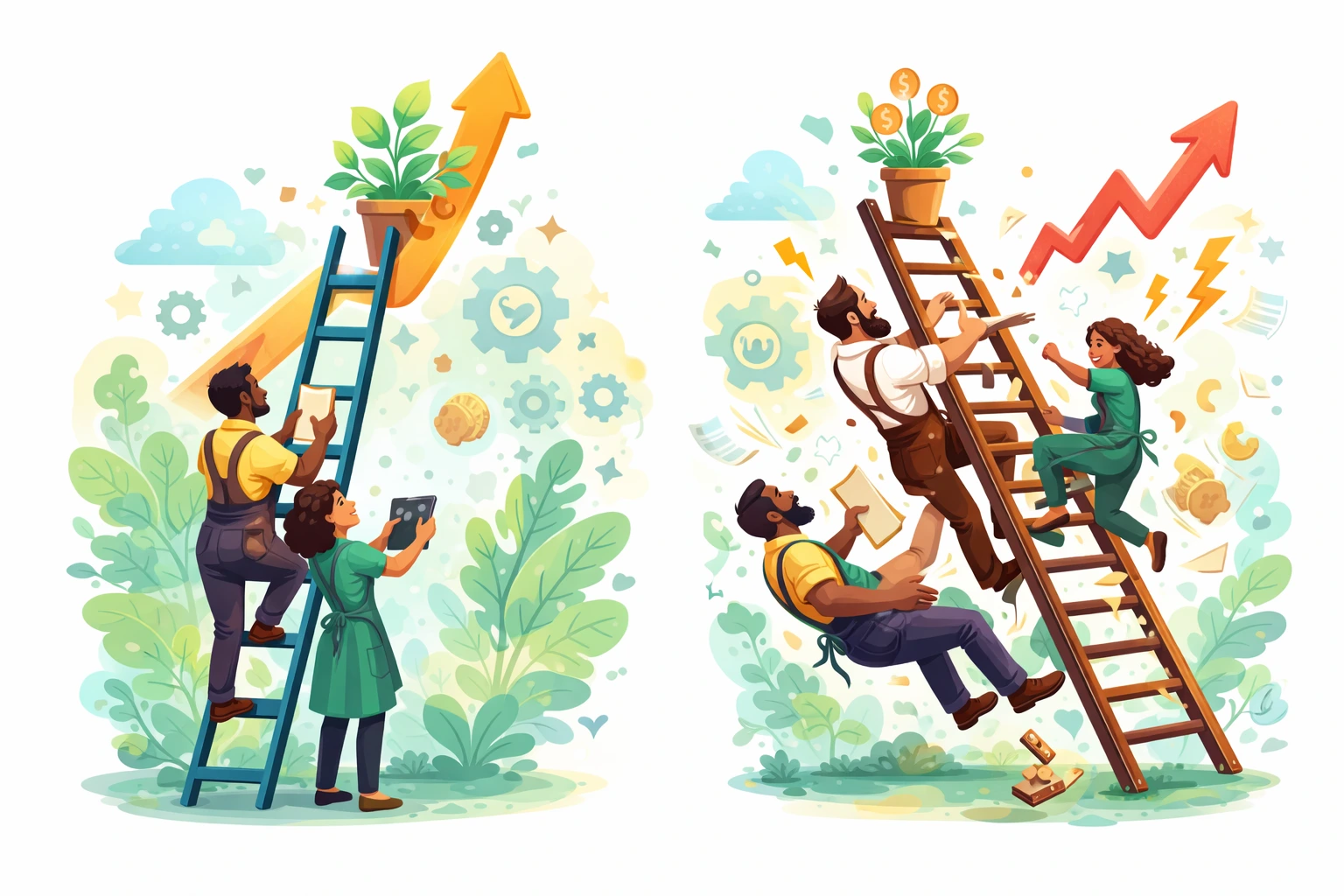
Growth should feel supported, not chaotic.
Ready to Stop “Making Do” With Your Systems?
Your business doesn’t need to be bigger to deserve better systems. It needs tools that support how you work today—and where you’re headed tomorrow.
If you’re tired of patchwork tools and manual work holding your business back, the next step is understanding what a right-sized ERP could look like for you.